
A Classic Car Guide: Aston Martin
The Aston Martin is a car well known throughout the history of the UK. This car is one of Britain’s greatest manufacturing feats and is loved by both nostalgia chasers and the modern car lover. It’s historically one of Britains most-loved cars and has even been featured in the classic film series James Bond.
We’ll take a look at some of the most popular makes of this car and dive into history!
Aston Martin DB1

First Production Date: 1948
Original Price: £2,331
Current Price (Estimation): £300,000 – £400,000, depending on condition and history.
The Aston Martin DB1, also known as the 2-Litre Sports, was the first in the line of “DB” models, with “DB” standing for David Brown, who took over Aston Martin in 1947. The DB1 was a limited-production roadster that played a crucial role in establishing Aston Martin’s identity in the post-war automotive industry. It featured a 2.0-liter inline-four engine that produced 90 horsepower, mated to a four-speed manual gearbox. With its sleek, open-top design and impressive engineering for the time, the DB1 set the stage for the luxurious and high-performance DB models that would follow.
Aston Martin DB1 History
The Aston Martin DB1 was a direct development from the Aston Martin Atom prototype, which was a revolutionary pre-war concept car. After World War II, David Brown acquired Aston Martin and Lagonda, and the DB1 was the first car produced under his leadership. Only 15 units were made, making it a rare collector’s item today. The DB1 was designed by Claude Hill and featured a steel chassis with an aluminum body. Although it wasn’t a commercial success, its limited production and significance in Aston Martin’s history make it a cherished model among enthusiasts. The car’s legacy is more about what it represented—the beginning of the David Brown era—than its performance or sales figures.
Aston Martin Fun Facts
- The DB1 was originally called the 2-Litre Sports but was later retroactively named DB1 after the success of its successors.
- Only 15 units of the DB1 were ever produced, making it one of the rarest Aston Martin models.
- The DB1 was based on the Aston Martin Atom, a highly advanced concept car designed before World War II.
- The DB1 won the 1948 Spa 24 Hours race in Belgium, giving Aston Martin its first major post-war victory.
- The car was priced at £2,331 at launch, a significant sum for the time.
Aston Martin DB2
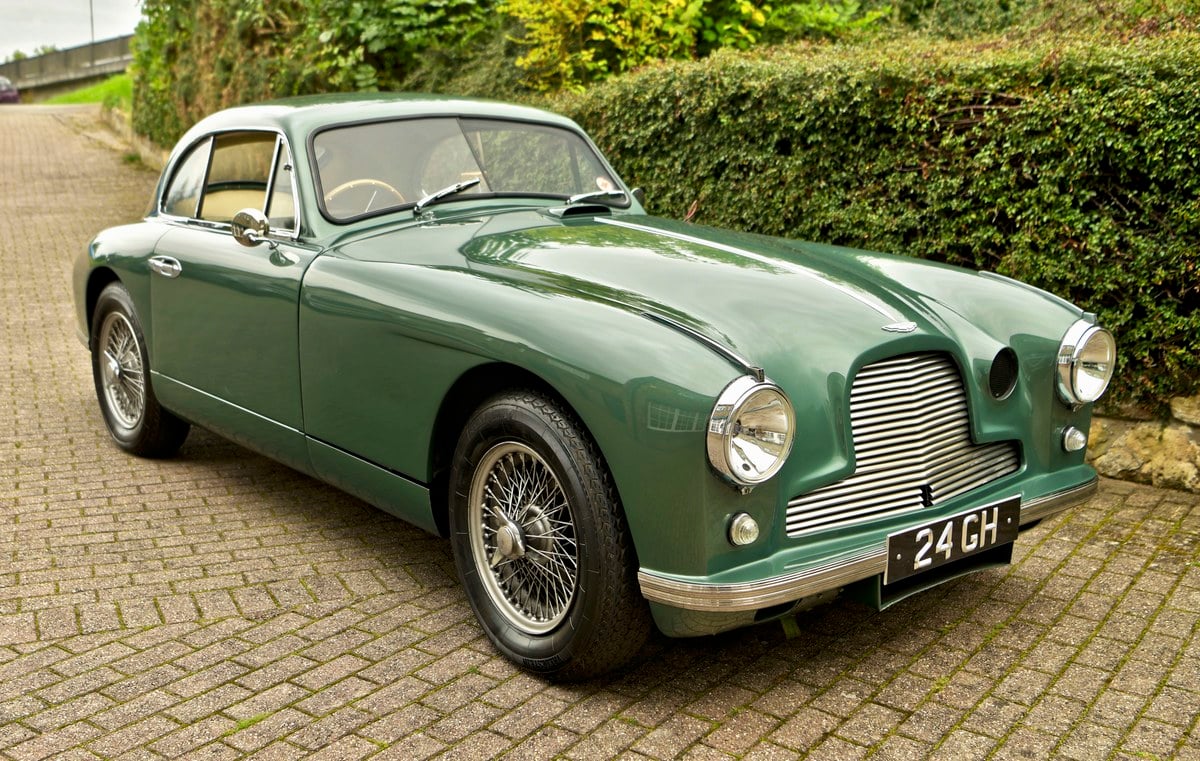
First Release Date: 1950
Original Price: £2,724
Current Price (Estimation): £350,000 – £500,000, depending on condition and history.
The Aston Martin DB2 was the first Aston Martin to bear the “DB” initials officially, and it marked a significant leap in performance and design from its predecessor. Powered by a 2.6-liter Lagonda straight-six engine, the DB2 could produce 105 horsepower, later increased to 125 horsepower in the “Vantage” specification. The DB2 was a sleek, aerodynamic coupe, with a more modern design compared to the DB1. It became a highly competitive sports car and laid the foundation for Aston Martin’s success in both road cars and motorsports.
Aston Martin DB2 History
The DB2’s development began when Aston Martin combined forces with Lagonda, which David Brown also owned. The car was directly based on the Aston Martin DB1 chassis but featured the more powerful Lagonda engine. It debuted at the 1949 Le Mans 24 Hours, where it showed great potential despite being in a prototype stage. The DB2 went into production in 1950 and was met with immediate success both on the road and track. Its racing pedigree was solidified with strong performances at Le Mans and other endurance races. The DB2 was available in both coupe and convertible (drophead) forms, with around 411 units produced by the time it was replaced by the DB2/4 in 1953.
Aston Martin DB2
- The DB2 was the first car to officially carry the “DB” initials, marking the true beginning of the iconic DB series.
- The DB2 was available in both coupe and drophead (convertible) versions.
- A Vantage specification was offered, which featured larger carburetors and higher compression, boosting power to 125 horsepower.
- The DB2 was one of the first cars to use a “space frame” chassis, which provided great rigidity and light weight.
- The DB2 was priced at £2,724 at launch, positioning it as a luxury sports car.
Aston Martin DB4
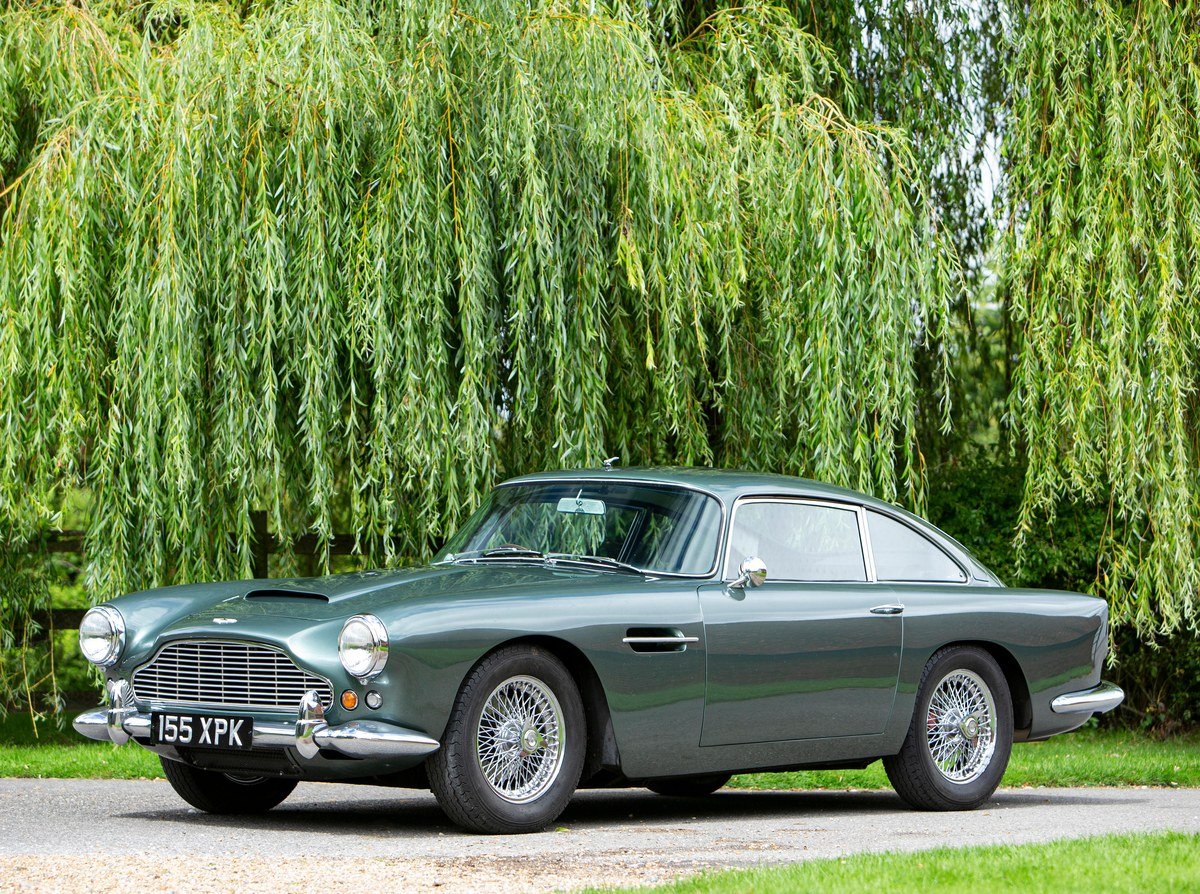
First Production Date: 1958
Original Price: £3,967
Current Price (Estimation): £800,000 – £1.5 million, depending on model and condition.
The Aston Martin DB4 is one of the most iconic models in the brand’s history, known for its elegant design and powerful performance. The DB4 was designed by Carrozzeria Touring of Milan, featuring the Superleggera (super light) construction method, which used a lightweight tubular frame with aluminum panels. Under the bonnet, the DB4 was powered by a 3.7-liter inline-six engine, capable of producing 240 horsepower. This allowed the car to reach a top speed of around 140 mph, making it one of the fastest production cars of its time. The DB4’s sleek, timeless design and advanced engineering laid the groundwork for future models, including the legendary DB5.
Aston Martin DB4 History:
The DB4 represented a major step forward for Aston Martin, as it was the first model to be entirely built at the company’s Newport Pagnell facility. The car was unveiled at the 1958 London Motor Show and was an immediate hit for its combination of style, speed, and luxury. The DB4’s success on the road was complemented by its racing pedigree, with modified versions like the DB4 GT and DB4 GT Zagato becoming legendary in motorsport. Over its production run from 1958 to 1963, several versions were introduced, including the lightweight GT models and the high-performance Vantage version. In total, 1,110 DB4s were produced, including special editions and variants.
Aston Martin DB4 Interesting Facts:
- The DB4 was the first Aston Martin to be entirely manufactured at the Newport Pagnell factory.
- The DB4 was the first Aston Martin to be designed by the famous Italian coachbuilder Carrozzeria Touring.
- The DB4 GT variant was lighter and more powerful, with a top speed of 153 mph, making it one of the fastest cars of its time.
- A highly limited DB4 GT Zagato version was created, with only 19 units built, becoming one of the most sought-after Aston Martins.
- The DB4’s original price was £3,967, a significant amount in the late 1950s.
Aston Martin DB5
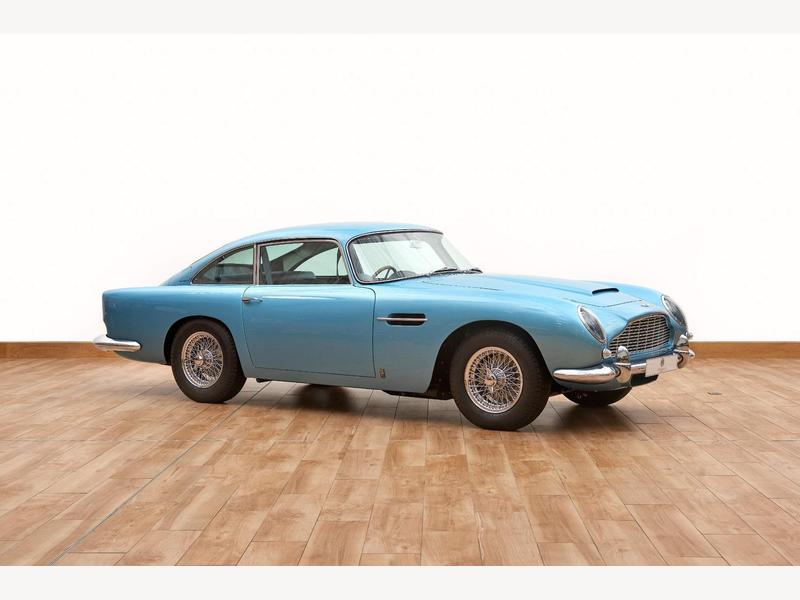
First Production Date: 1963
Original Price: £4,175
Current Price (Estimation): £1.5 million – £2.5 million, depending on condition and provenance.
The Aston Martin DB5 is arguably the most famous model in Aston Martin’s history, largely thanks to its association with James Bond in the 1964 film Goldfinger. The DB5 was a direct evolution of the DB4, featuring a 4.0-liter inline-six engine that produced 282 horsepower, with a top speed of 145 mph. The car’s design, also by Carrozzeria Touring, is considered timeless, with its iconic grille, wire-spoke wheels, and luxurious interior. The DB5 became synonymous with British elegance and performance, embodying the peak of 1960s automotive design.
Aston Martin DB5 History:
The DB5 was introduced in 1963 as a successor to the DB4, continuing Aston Martin’s tradition of combining high performance with luxury. It quickly gained fame and iconic status after being featured as James Bond’s car in the film Goldfinger. The association with 007 boosted its popularity and cemented its place in popular culture. The DB5 was produced from 1963 to 1965, with a total of 1,059 units built. During its production run, various versions were introduced, including the high-performance DB5 Vantage and the convertible variant. The DB5’s legacy continues today, with original models fetching high prices at auctions and its influence evident in modern Aston Martins.
Aston Martin DB5 Interesting Facts:
- The DB5 is most famously known as James Bond’s car, first appearing in the 1964 film Goldfinger.
- The DB5 Vantage version featured triple Weber carburetors, increasing power to 325 horsepower.
- A total of 1,059 DB5s were produced, including coupes, convertibles, and shooting brakes.
- The DB5 featured advanced technology for its time, including electric windows, reclining seats, and a fire extinguisher.
- The original price of the DB5 was £4,175, which was very expensive in the early 1960s.
Aston Martin DB6
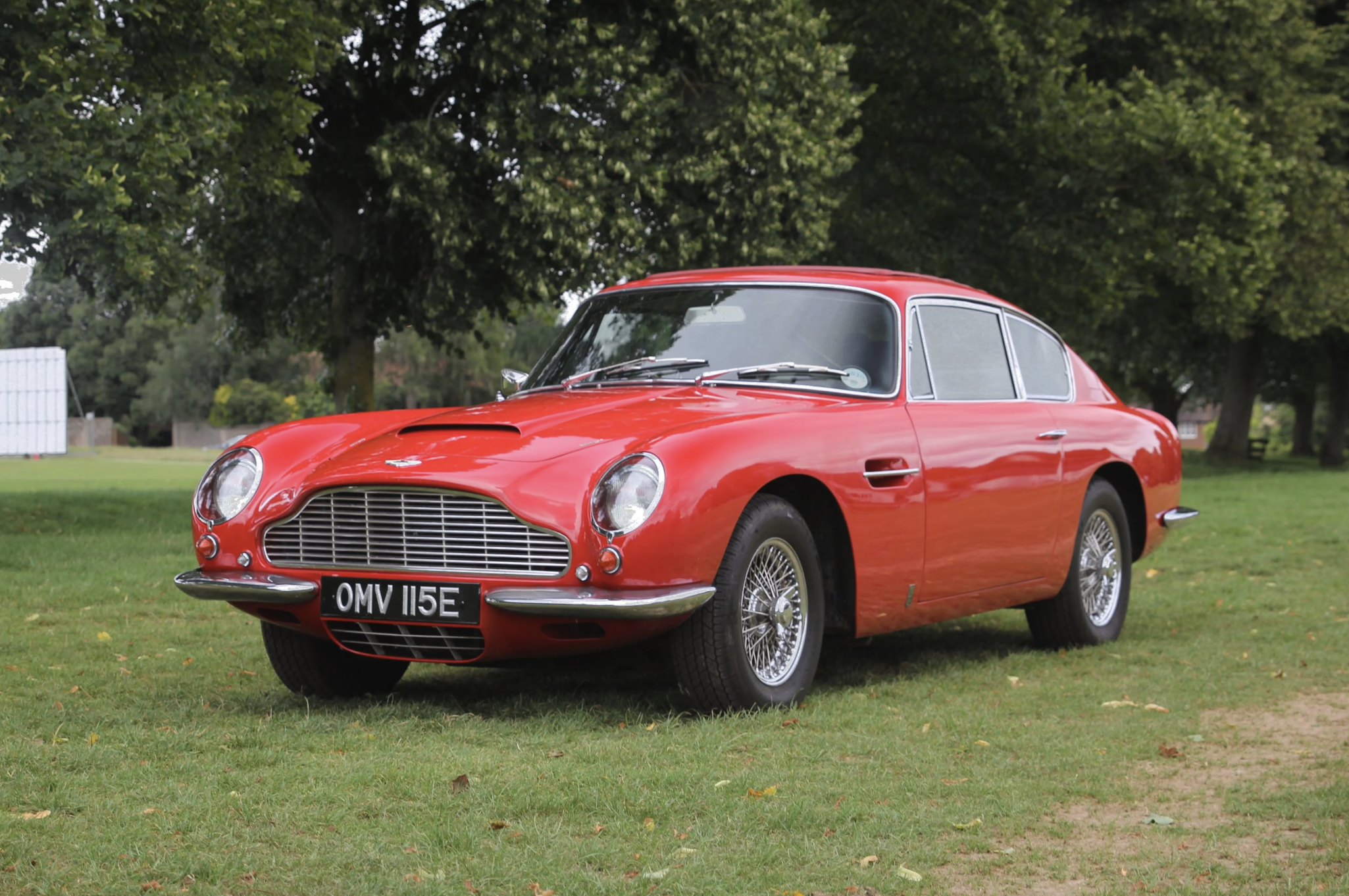
First Production Date: 1965
Original Price: £5,014
Current Price (Estimation): £450,000 – £700,000, depending on condition and provenance.
The Aston Martin DB6 was introduced in 1965 as the successor to the DB5, and it featured several design and engineering improvements. It retained the 4.0-liter inline-six engine from the DB5 but with refinements that improved performance and reliability. The DB6 had a longer wheelbase, more interior space, and a more aerodynamic Kamm tail design, which enhanced stability at high speeds. The car was available as both a coupe and a convertible (Volante), and it continued Aston Martin’s tradition of luxury and performance.
Aston Martin DB6 History:
The DB6 was developed in response to the growing demand for more comfortable and spacious grand tourers. The car was slightly longer and taller than the DB5, which allowed for a more spacious interior and improved ride comfort. The most noticeable change was the Kamm tail, which reduced aerodynamic drag and improved high-speed stability. The DB6 was produced from 1965 to 1970, with a total of 1,788 units built, including 140 Volante convertibles. The car was well-received for its blend of performance, luxury, and practicality, and it continued to enhance Aston Martin’s reputation as a maker of world-class grand tourers.
Aston Martin DB6 Interesting Facts:
- The DB6 featured a “Kamm tail” design, which was more aerodynamic and provided better high-speed stability.
- The DB6 was the first Aston Martin to be available with optional power steering, air conditioning, and an automatic transmission.
- A limited number of DB6s were produced with a Vantage engine, offering 325 horsepower.
- The DB6 was the last Aston Martin to use the Superleggera construction method by Carrozzeria Touring.
- The original price of the DB6 was £5,014, reflecting its status as a luxury grand tourer.
Aston Martin V8 Vantage
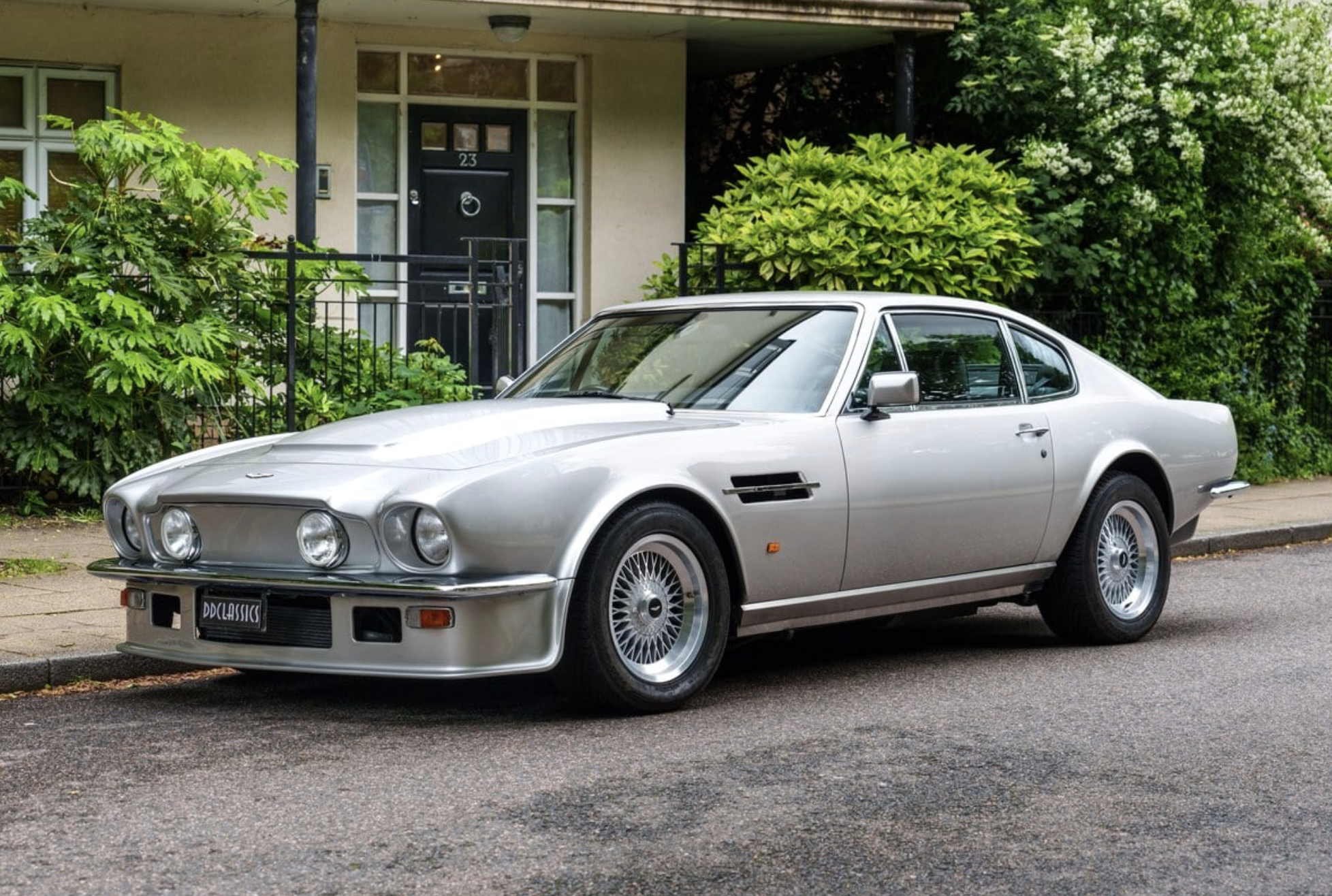
First Production Date: 1977 (Original V8 Vantage), 2005 (Modern V8 Vantage)
Original Price: £20,000 (1977), £79,000 (2005)
Current Price (Estimation): £150,000 – £300,000 (1977 V8 Vantage), £30,000 – £70,000 (2005 V8 Vantage)
The Aston Martin V8 Vantage nameplate has been used for two very different cars: the original 1977-1989 V8 Vantage and the modern V8 Vantage introduced in 2005. The original V8 Vantage was known as “Britain’s first supercar” due to its top speed of 170 mph, powered by a 5.3-liter V8 engine producing 375 horsepower. It featured a more aggressive design compared to the standard V8 and was aimed at competing with Ferrari and Lamborghini. The modern V8 Vantage, introduced in 2005, was a compact, high-performance sports car powered by a 4.3-liter V8, producing 380 horsepower. It was praised for its handling, design, and driving experience.
Aston Martin V8 Vantage History:
The original V8 Vantage was developed as a high-performance version of the Aston Martin V8, introduced in the 1970s. It was Aston Martin’s answer to the growing demand for supercars, and it quickly earned a reputation as one of the most powerful and fastest cars of its era. The modern V8 Vantage, launched in 2005, was part of Aston Martin’s revival in the 21st century. It was designed to be a more accessible sports car while retaining the brand’s luxury and performance credentials. Over its production run, the modern V8 Vantage received several updates, including a larger 4.7-liter engine, and was offered in various special editions.
Aston Martin V8 Vantage Interesting Facts:
- The original 1977 V8 Vantage was faster than a Ferrari Daytona and was considered Britain’s first supercar.
- The original V8 Vantage was featured in the James Bond film The Living Daylights (1987), where it was equipped with various gadgets.
- The modern V8 Vantage was Aston Martin’s most affordable model when it was launched in 2005, targeting Porsche 911 buyers.
- The V8 Vantage N24, introduced in 2006, was a race-ready version designed for the Nurburgring 24 Hours.
- The original V8 Vantage was priced at around £20,000, while the modern V8 Vantage started at around £79,000 in 2005.
Aston Martin Ulster
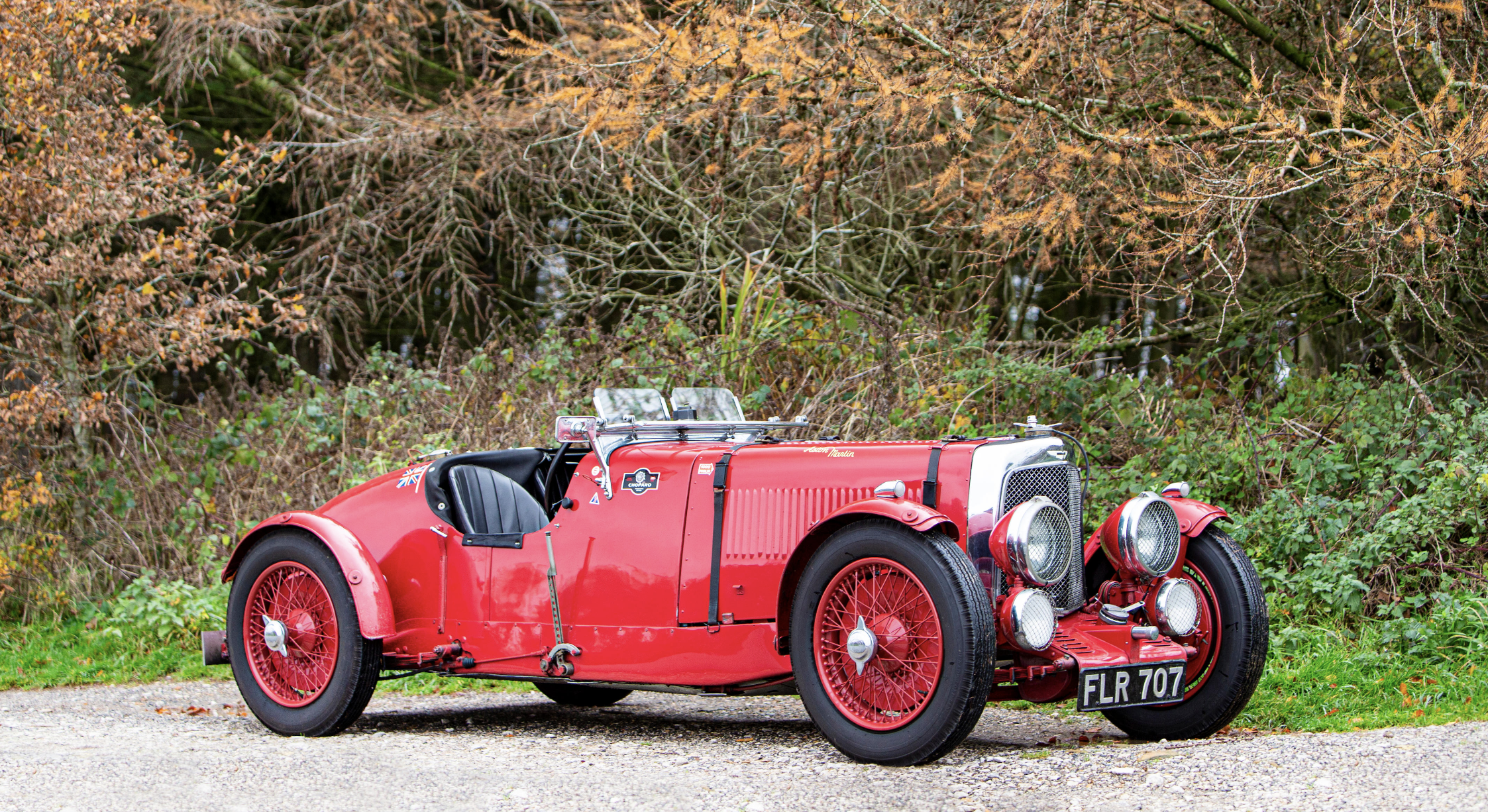
First Production Date: 1934
Original Price: £750
Current Price (Estimation): £1.5 million – £2.5 million, depending on condition and provenance.
The Aston Martin Ulster was a racing car produced between 1934 and 1936, designed for endurance racing and known for its lightweight construction and reliability. It was powered by a 1.5-liter inline-four engine, producing around 85 horsepower, which was impressive for its size and era. The Ulster was named after the Ulster Tourist Trophy, a race it performed exceptionally well in. The car was known for its handling and agility, making it a favorite among privateer racers. Its design, with a low and sleek body, was also highly regarded, contributing to its success in motorsport.
Aston Martin Ulster History:
The Ulster was developed by Aston Martin as a response to the company’s growing involvement in motorsport during the 1930s. It was based on the earlier Mark II model but featured a tuned engine, a lightweight chassis, and a streamlined body designed for racing. The Ulster made its debut at the 1934 RAC Tourist Trophy, where it finished in third place. Over the next few years, it achieved numerous successes in endurance races, including a class win at the 1935 Le Mans 24 Hours. Only 21 Ulsters were built, making it one of the rarest and most sought-after pre-war Aston Martins.
Aston Martin Ulster Interesting Facts:
- The Aston Martin Ulster was named after the Ulster Tourist Trophy, one of the most prestigious races of the 1930s.
- The Ulster achieved a class win at the 1935 Le Mans 24 Hours, cementing its reputation as a formidable racing car.
- Only 21 Aston Martin Ulsters were built, making it one of the rarest pre-war Aston Martins.
- The Ulster was capable of reaching a top speed of around 100 mph, which was remarkable for its time.
- The car was sold for £750 when new, which was expensive for a small, lightweight sports car in the 1930s.