Clutch and transmission faults can appear gradually or develop without warning. However, if you can spot the early warning signs, you can reduce the impact they have and the cost they incur to repair.
To help you make sure you can get your modern car booked in before potential problems become expensive failures, here is what you should look out for.
Clutch Slipping
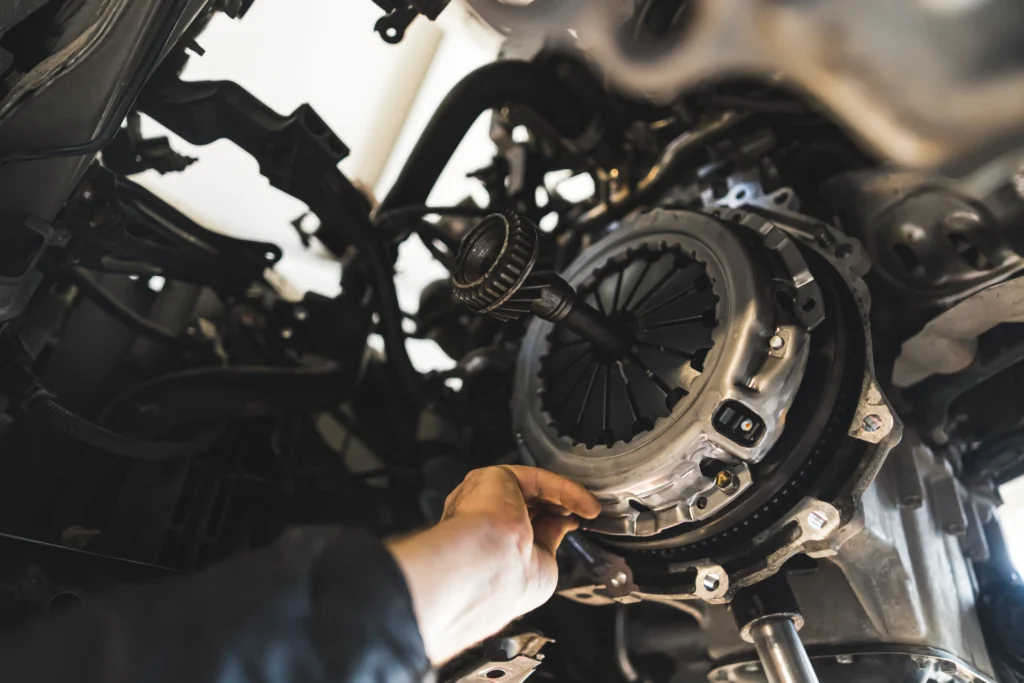
If your engine revs increase but your speed doesn’t then your clutch may be worn. In fact, this is one of the most common signs that a car needs a clutch replacement.
Difficulty Changing Gear
Stiff, reluctant or grinding gear changes is a strong sign something is failing with your gearbox. It could be the clutch assembly, components in the gearbox or elsewhere in the transmission system but if you sort it quickly you can often stop it becoming a more expensive issue.
Unusual Noises
The most common noises you’ll hear from a failing gearbox is whining, knocking, rattling or grinding. Any one of them could point towards internal wear to the components that make it work and is worth being investigated.
Clutch Pedal Issues
A change in the way your clutch feels is another sure sign your gearbox is not at its best. It could start feeling softer, stiffer or even just inconsistent and this could indicate a hydraulic fault that parts of the system are failing.
Gearbox Oil Leaks
An unexplained leak is always concerning for your car, but if it turns out to be transmission fluid that is leaking, your car’s performance is likely to suffer. The engine could even overheat.
Warning Lights & Transmission Faults
Most modern cars and vans have a range of sensors and systems to monitor engine performance, including your clutch and gearbox. If a warning light pops up that indicates a problem with your gearbox, you should get your car booked in. We can use diagnostic equipment to find out what triggered the warning light and the best way to fix it before it escalates into a bigger problem.
All these issues can appear for a range of reasons, and sometimes they might not be a sign of a deeper problem. However, if you notice one of them occurring regularly, getting it investigated is never a bad idea – if it’s nothing, you’ll get peace of mind from the knowledge your car is working as it should and if it is something, you may be able to get a quicker, cheaper fix than if the issue escalated.